#10 best seller · Sauces & Condiments · Tamicon
Tamicon Tamarind Concentrate Paste
The sour note that separates real sambar from brown soup.
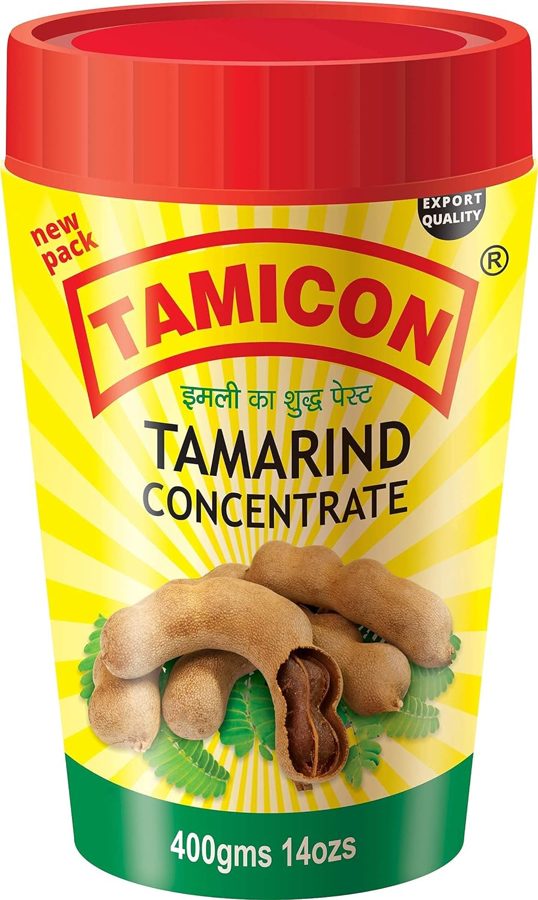
Soaking a tamarind block, squeezing it, straining it, and washing the pulp off your hands takes twenty minutes. A spoon of Tamicon takes four seconds and tastes almost identical.
That is why the jar quietly outsells the block in almost every American Indian grocery store.
How much to use
One teaspoon of concentrate roughly equals a lemon-sized ball of tamarind soaked and strained. Start small — it is stronger than you think.
Dissolve it in a little warm water first so it disperses instead of sitting as a sour lump.
Where it earns its shelf space
Sambar and rasam, obviously. Also puliyodharai (tamarind rice), Gujarati kadhi, Hyderabadi dishes, and the sweet imli chutney for chaat.
Add a spoon to chole or dal makhani if the gravy tastes flat but salty — sourness fixes flatness better than more salt.
Block vs paste
Block tamarind has a fresher, fruitier note and is worth it for special occasions. Paste is what you actually reach for on a Wednesday.
Ravi's quick tips
- •Refrigerate after opening; it lasts months.
- •Use a dry spoon — water in the jar shortens its life fast.
- •Add it early enough to cook off the raw edge, at least three or four minutes of simmering.
Frequently asked
Is tamarind paste the same as tamarind chutney?
No. Chutney is sweetened with jaggery and spiced; concentrate is pure sour tamarind.
Can I use lemon juice instead?
For emergencies only. Tamarind's sourness is deeper and fruitier; lemon is sharp and one-dimensional.
More best sellers
What do you struggle to find?
Tell us the product, brand, or ingredient you wish Fox Valley Bazaar carried. If we stock it, we’ll let you know.
Want this on a shelf in Appleton?
Fox Valley Bazaar is being built on real demand from real neighbours. Join the interest list and tell us what to stock first.
Join the Interest List