#16 best seller · Ground Spices · Aara
Turmeric Powder (Haldi)
In nearly every Indian dish, and in every Indian grandmother's medicine cabinet.
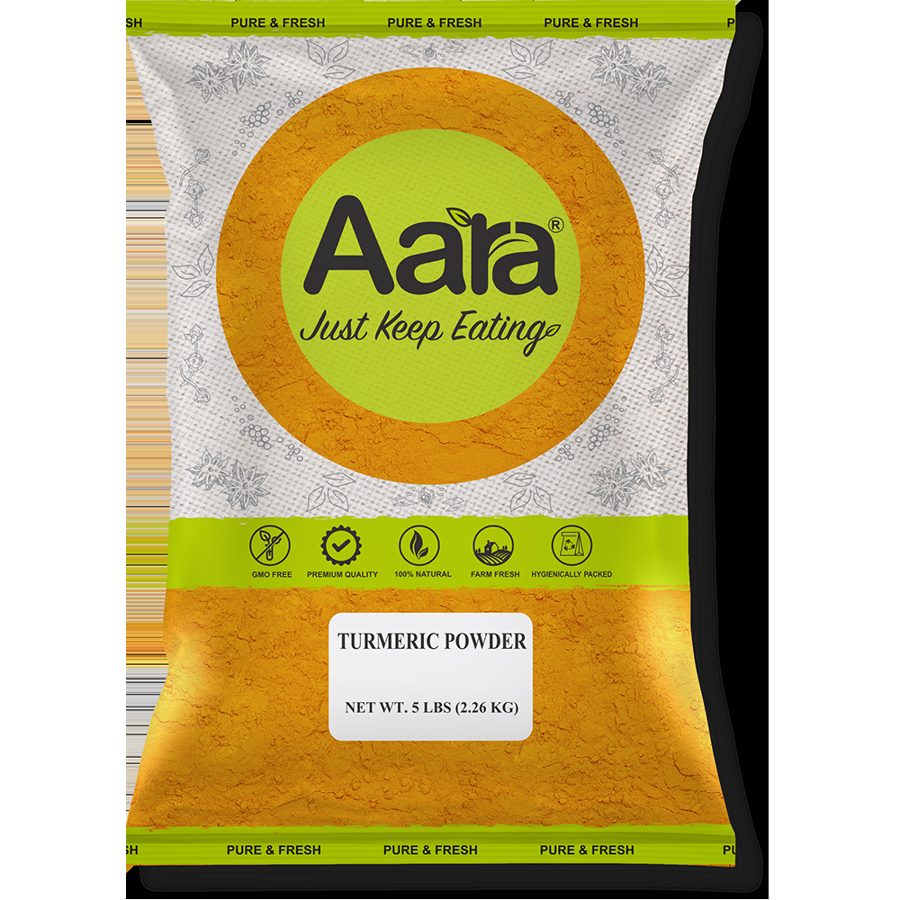
Haldi goes into dal, sabzi, marinades, rice, and the glass of warm milk your mother handed you when you had a cough. It is the most-used ground spice in the Indian kitchen by a wide margin.
A small bag also lasts a long time, which is exactly why people are picky about buying a good one.
How much is right
A quarter to half teaspoon for a family-sized dal or sabzi. More than that turns food bitter and chalky.
Add it early, in the oil or right at the start of simmering. Raw haldi stirred in at the end tastes dusty.
Judging quality
Good turmeric is deep golden-orange, not pale yellow and not neon. It should smell earthy and slightly bitter, like fresh wood.
Pale, flat-smelling turmeric is usually old or heavily extended.
The non-cooking uses
Haldi doodh for a cold, haldi paste on a cut, and haldi in the pre-wedding ceremony. This spice does more cultural work than any other in the box.
Ravi's quick tips
- •It stains everything. Plastic containers, countertops, fingertips — use glass or steel.
- •A pinch of black pepper alongside is the traditional pairing and improves curcumin absorption.
- •Buy small, replace yearly; ground spices fade faster than whole.
Frequently asked
Why does my food taste bitter?
Almost always too much turmeric, or turmeric added to very hot dry oil and burnt.
Is there a difference between Indian and supermarket turmeric?
Yes — Indian brands typically use higher-curcumin varieties, which is why the color and aroma are noticeably stronger.
More best sellers
What do you struggle to find?
Tell us the product, brand, or ingredient you wish Fox Valley Bazaar carried. If we stock it, we’ll let you know.
Want this on a shelf in Appleton?
Fox Valley Bazaar is being built on real demand from real neighbours. Join the interest list and tell us what to stock first.
Join the Interest List